GNSS 定位模块实战:ATGM336H GPS 追踪器 DIY,让设备知道自己在哪
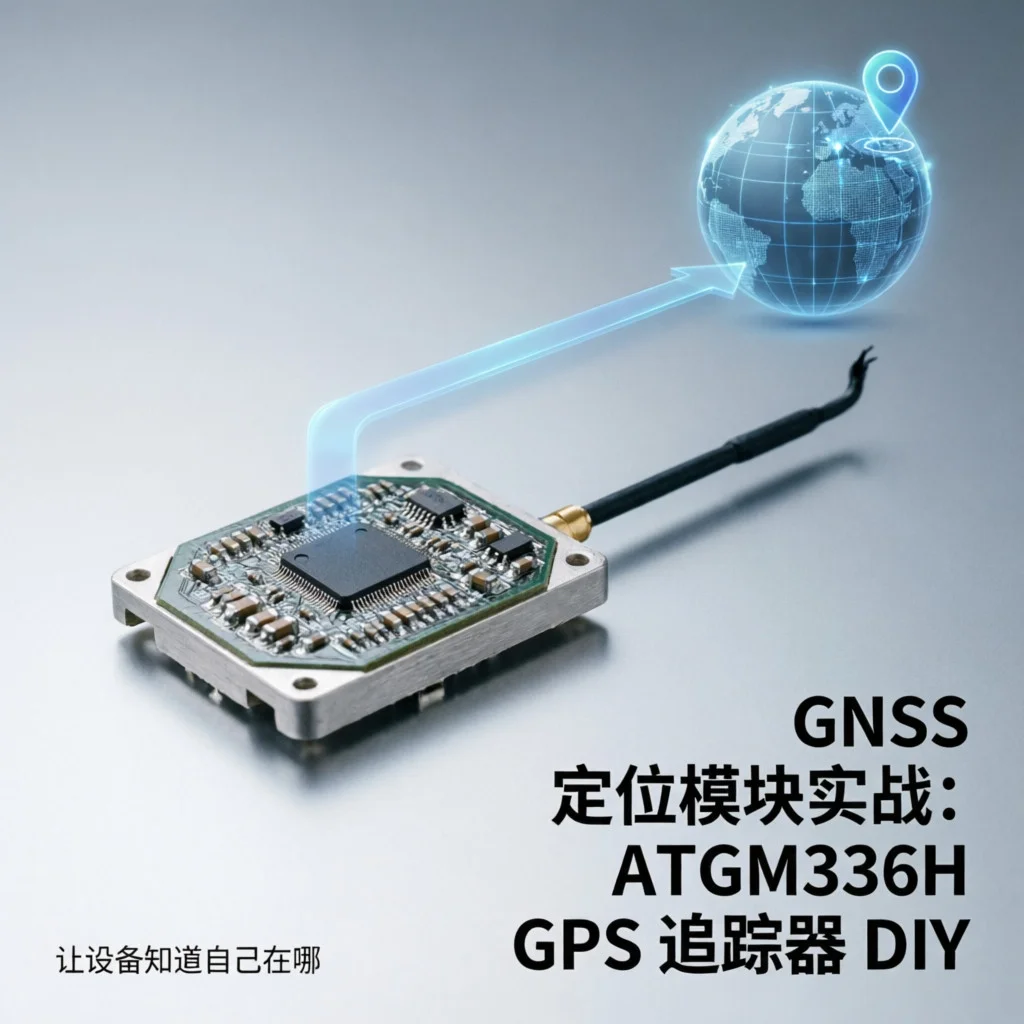
为什么需要定位功能? 做物联网项目的同学肯定遇到过这种需求:设备在哪?怎么让它上报位置?共享单车、物流追踪、宠物定位、户外探险记录仪……这些场景都离不开 GNSS 定位。 今天咱们用国产的 ATGM336H 模块(北斗 + GPS 双模)做一个简易 GPS 追踪器,成本不到 50 元,还能把位置数据存到 SD 卡或者通过 4G 发送到服务器。 ⚠️ 注意:GNSS...

为什么需要定位功能? 做物联网项目的同学肯定遇到过这种需求:设备在哪?怎么让它上报位置?共享单车、物流追踪、宠物定位、户外探险记录仪……这些场景都离不开 GNSS 定位。 今天咱们用国产的 ATGM336H 模块(北斗 + GPS 双模)做一个简易 GPS 追踪器,成本不到 50 元,还能把位置数据存到 SD 卡或者通过 4G 发送到服务器。 ⚠️ 注意:GNSS...
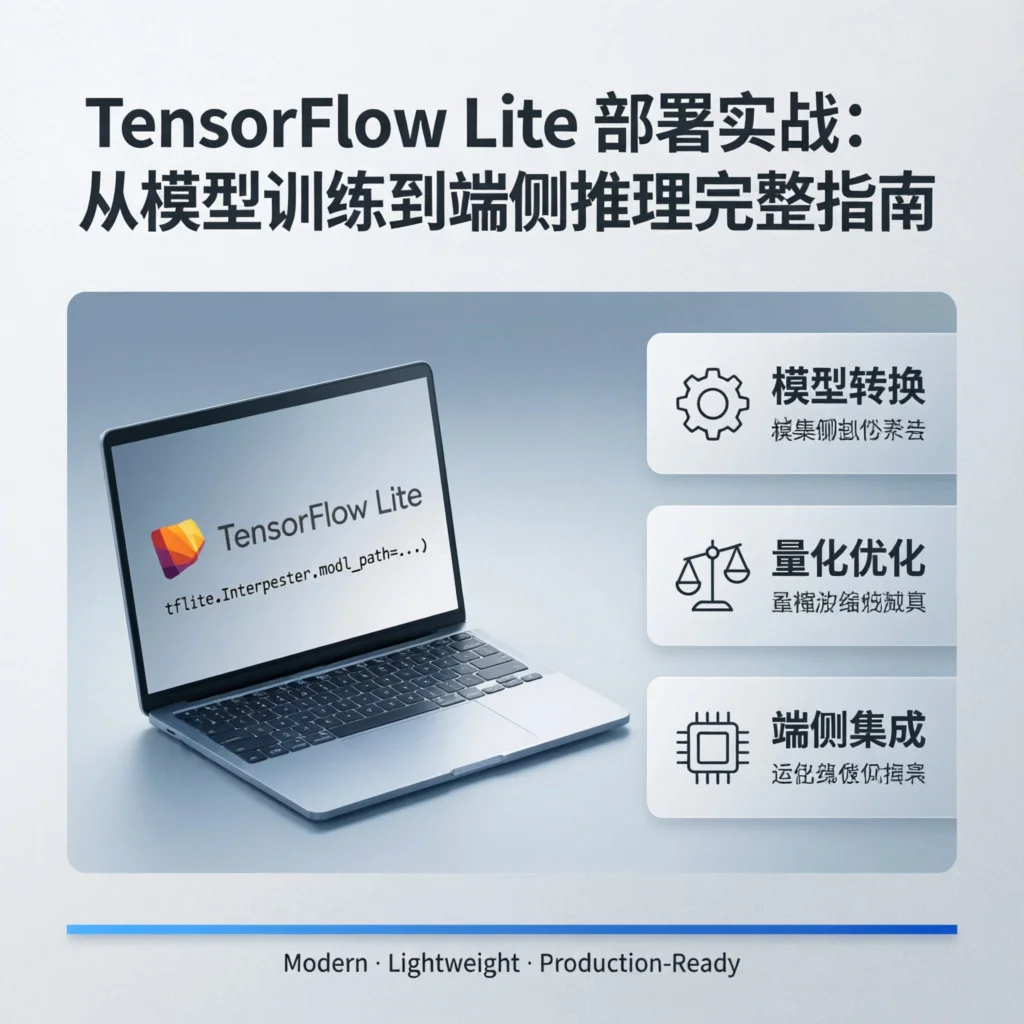
为什么需要 TensorFlow Lite? 大家好,我是 MakerOnsite。今天我们来聊聊如何在嵌入式设备上运行 AI 模型。 你可能已经用过 TensorFlow 训练模型,但有没有想过:怎么把训练好的模型放到树莓派、ESP32 或者单片机上运行? 这就是 TensorFlow Lite 要解决的问题。 传统的 TensorFlow 模型太大、太慢,根本跑不动嵌入式设备。而...
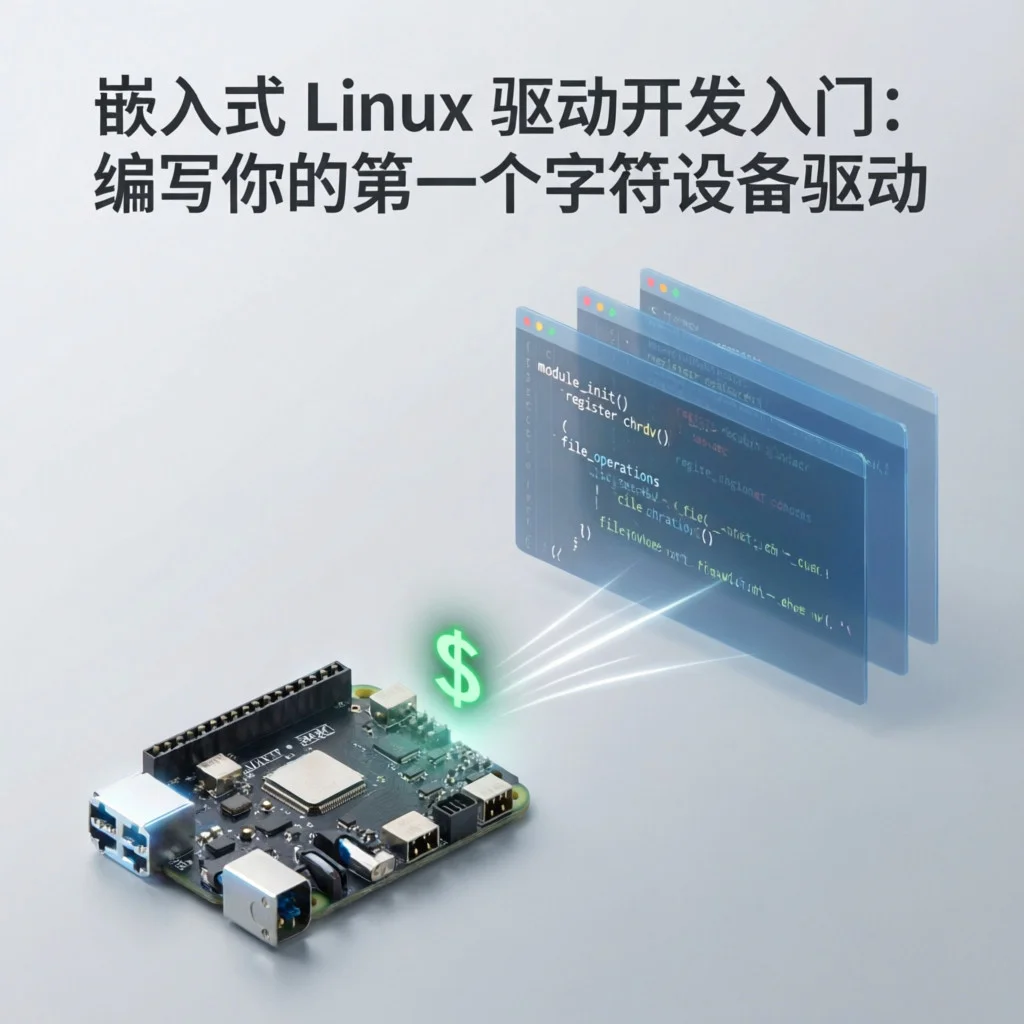
为什么需要学驱动开发? 做嵌入式开发这么久,一直都是在用户空间折腾:写应用、调库、玩框架。但有时候你会发现,有些功能用户空间就是搞不定——比如精确的时序控制、直接操作寄存器、或者硬件中断处理。这时候,你就需要踏入内核空间,写驱动了。 很多人对内核驱动有畏惧心理,觉得"内核编程很危险,搞错了系统就挂了"。确实如此,但没那么可怕。今天我们就从零开始,写一个最简单的字符设备驱动,让你迈出第一步。...
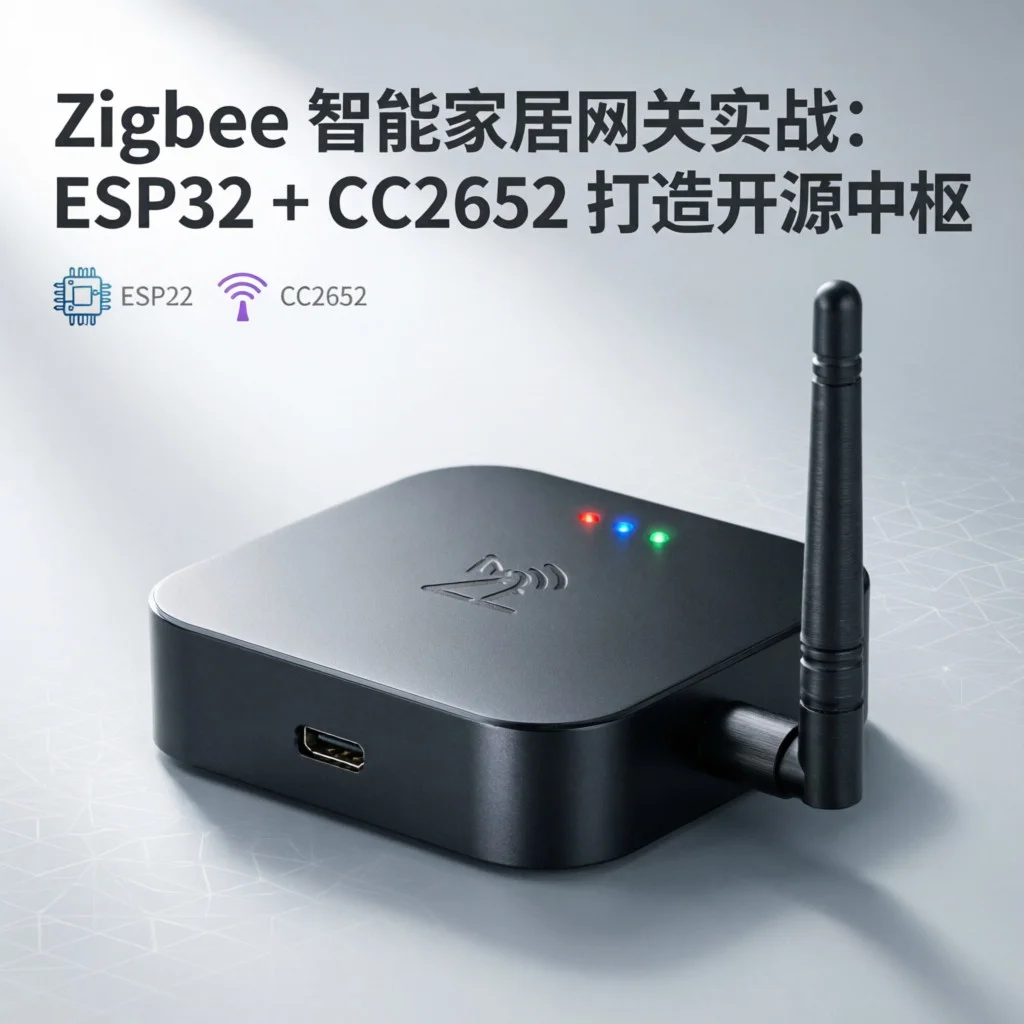
用ESP32+CC2652P自制Zigbee 3.0智能家居网关,总成本不到100元,比Aqara网关更灵活。支持Zigbee2MQTT与Home Assistant深度集成、本地化控制断网可用、50+设备同时在线。附完整硬件清单、CC2652固件烧录、ESP32代码教程和配对排错指南。
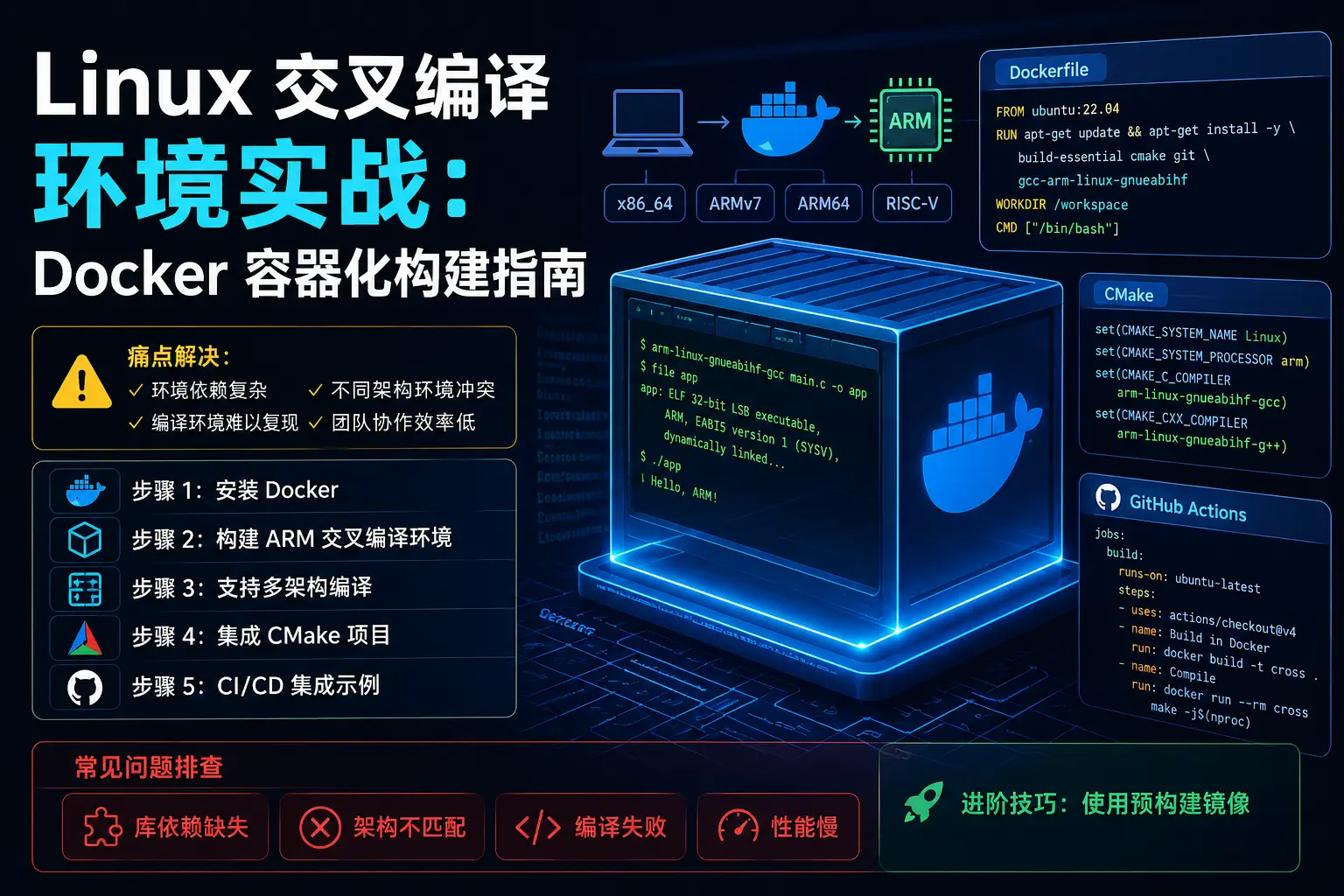
做嵌入式开发的朋友都遇到过这个尴尬场景:代码在开发机上编译得好好的,换个环境就各种报错。依赖库版本不对、工具链缺失、环境变量混乱……今天我们来聊聊如何用 Docker 把交叉编译环境"打包"带走,让构建过程真正可复现。 为什么需要容器化的交叉编译环境? 传统交叉编译的痛点: - 环境配置繁琐:每次重装系统都要重新配置工具链 - 版本不一致:团队成员使用不同版本的编译器导致奇怪的问题 -...
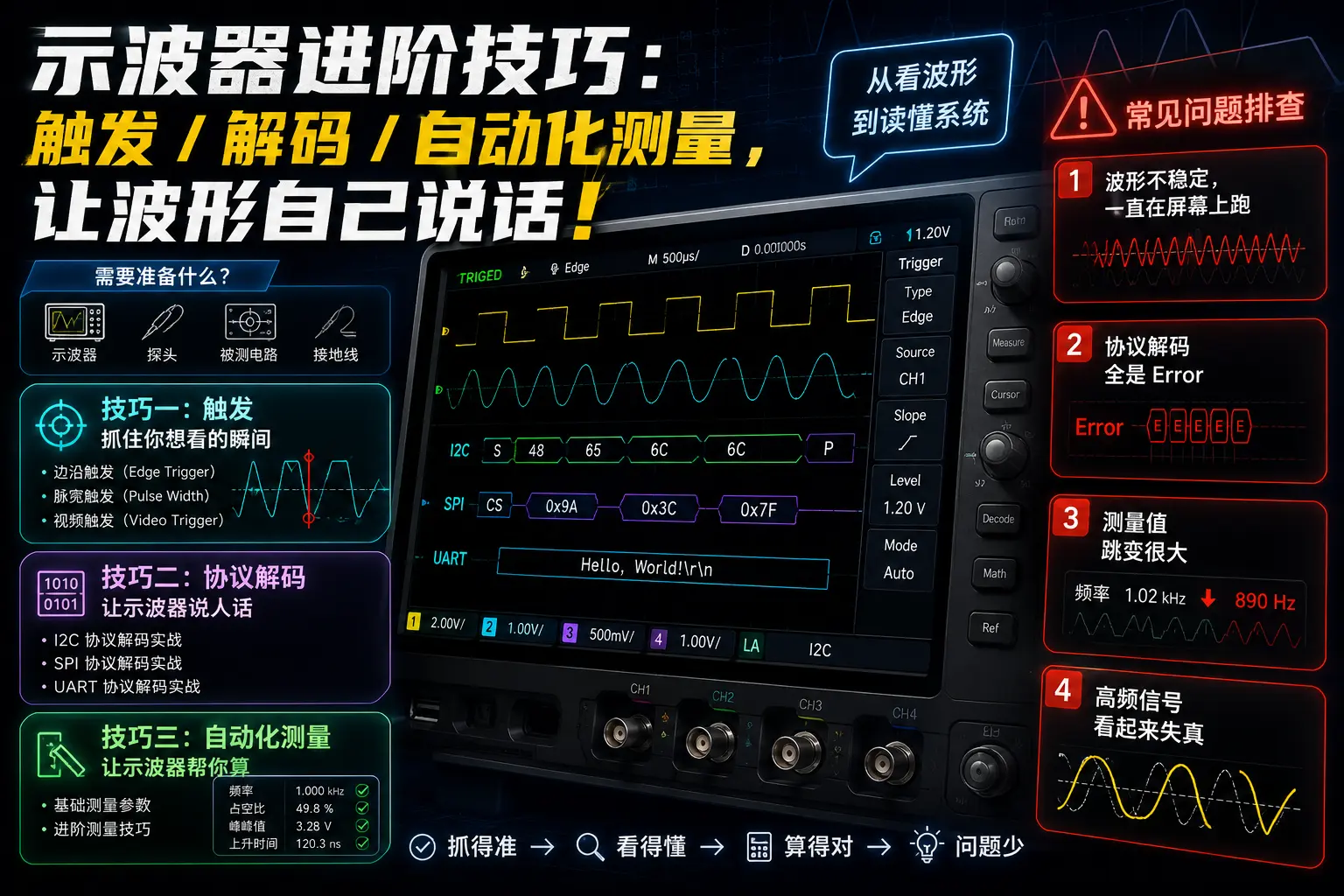
引言 记得刚入手第一台示波器时,我觉得只要能看到波形就万事大吉了。直到有一次调试一个奇奇怪怪的 SPI 通信问题——波形明明"看起来正常",但设备就是不工作。后来一位老工程师告诉我:"你这是在用示波器当万用表使啊!" 今天我们就来聊聊示波器的进阶玩法。不是教你怎么开机看波形,而是如何让示波器帮你"读懂"信号。掌握这些技巧后,你会发现同样的设备,能看出完全不同的信息量。 需要准备什么? 物品 ...
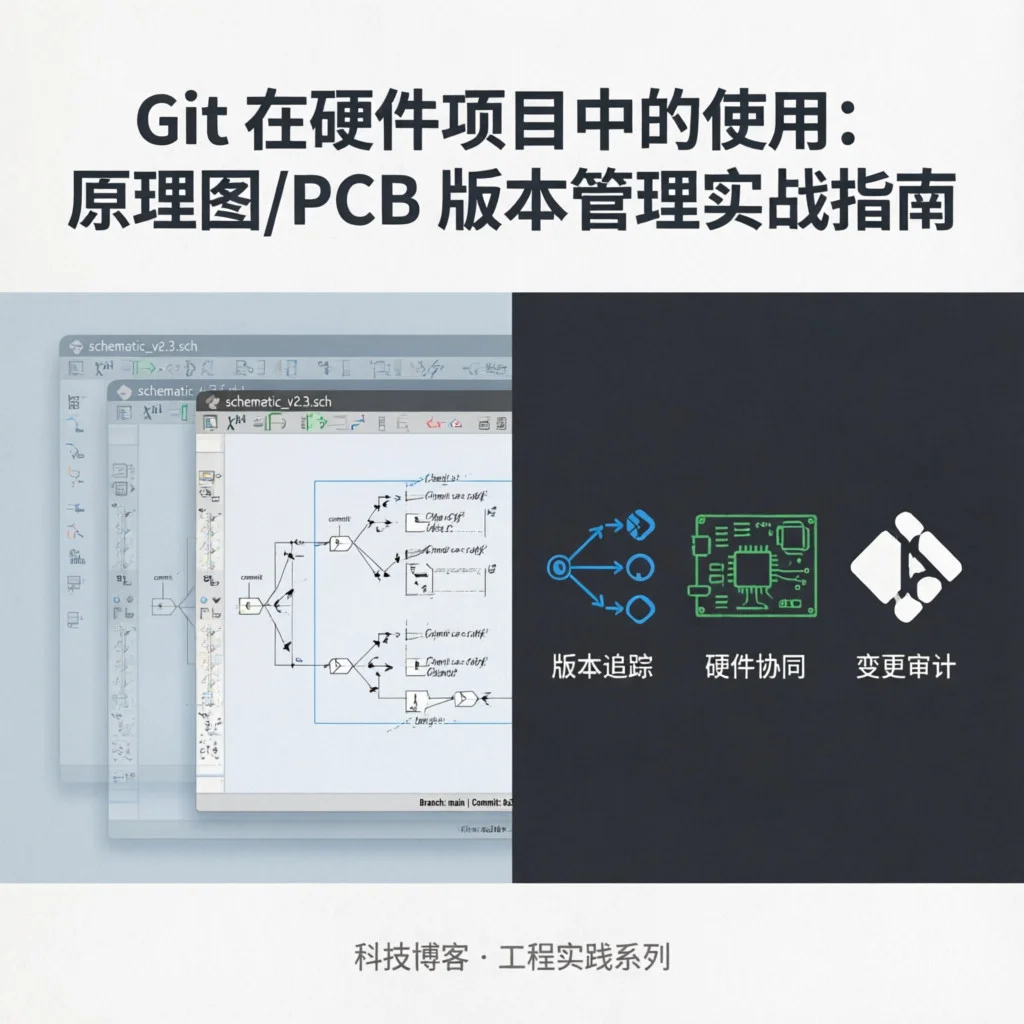
为什么硬件项目也需要 Git? 做软件的朋友可能无法理解:硬件设计不就是画个图、布个板子吗?要什么版本控制? 直到有一天,你改了个电阻值,发现板子不工作了,想回退却找不到原来的文件;或者团队协作时,两个人同时改了原理图,最后不知道用谁的版本…… 这时候你就明白了:硬件设计也是代码,也需要版本管理。 今天我们就来聊聊,如何用 Git 管理硬件项目,特别是 KiCad、Eagle 这些 EDA...
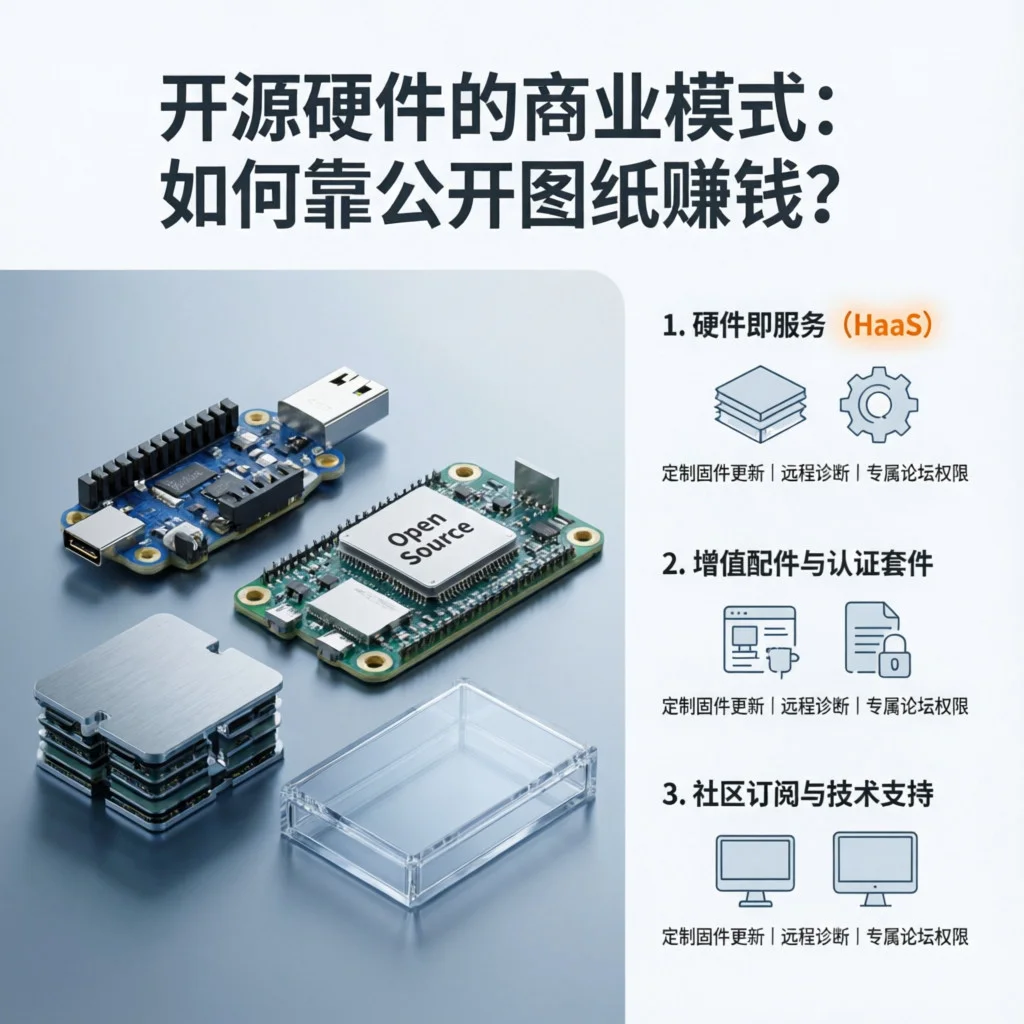
做硬件开发这么多年,经常被问到一个问题:"你把原理图、代码都公开了,别人直接抄走,你怎么赚钱?" 这确实是个好问题。今天我们就来聊聊开源硬件的商业模式——这个听起来有点"反直觉"的生意,到底是怎么运转的。 先说结论:开源硬件能赚钱,而且能赚大钱 别被"开源"两个字骗了。开源不等于免费,更不等于做慈善。看看这些数字: - Arduino:2023 年营收超过 3000 万美元,全球出货量数百万 -...
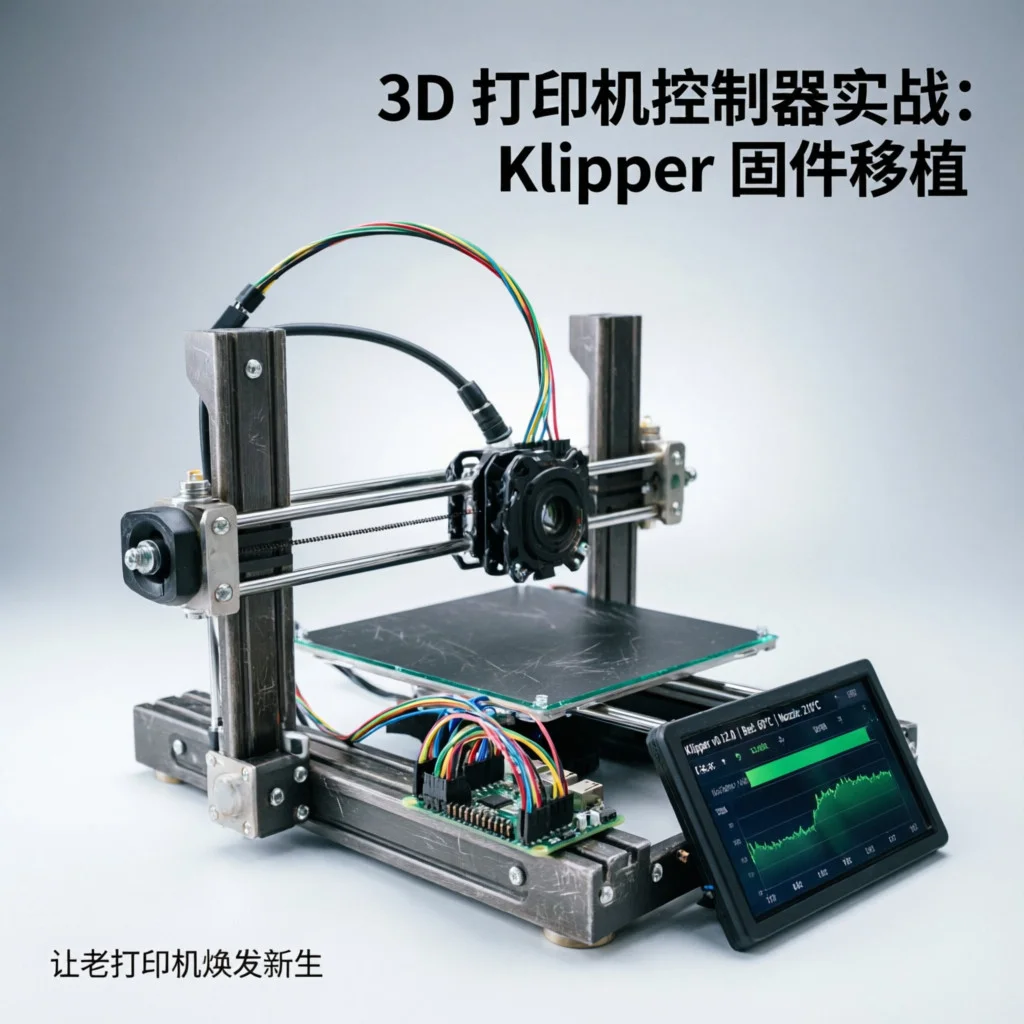
为什么要把 3D 打印机升级到 Klipper? 如果你还在用 Marlin 固件跑 3D 打印机,那你可能错过了一个提升打印质量的机会。Klipper 是近年来最火的 3D 打印机固件,它的核心思路很聪明:把繁重的计算任务从打印机主板移到性能更强的上位机(比如树莓派)上。 这样做有什么好处? - 更高的步进频率:Marlin 在 8 位主板上最高只能跑到 50kHz,Klipper 轻松突破...
CAN 总线分析仪实战:汽车诊断工具 DIY,读懂车轮上的网络 作为一名嵌入式开发者,你是否好奇汽车内部是如何通信的?今天我们就来动手制作一台 CAN 总线分析仪,不仅能读取汽车 OBD-II 数据,还能用于工业 CAN 网络调试。花不到 200 元,就能拥有专业级诊断工具的核心功能! 需要准备什么? ...
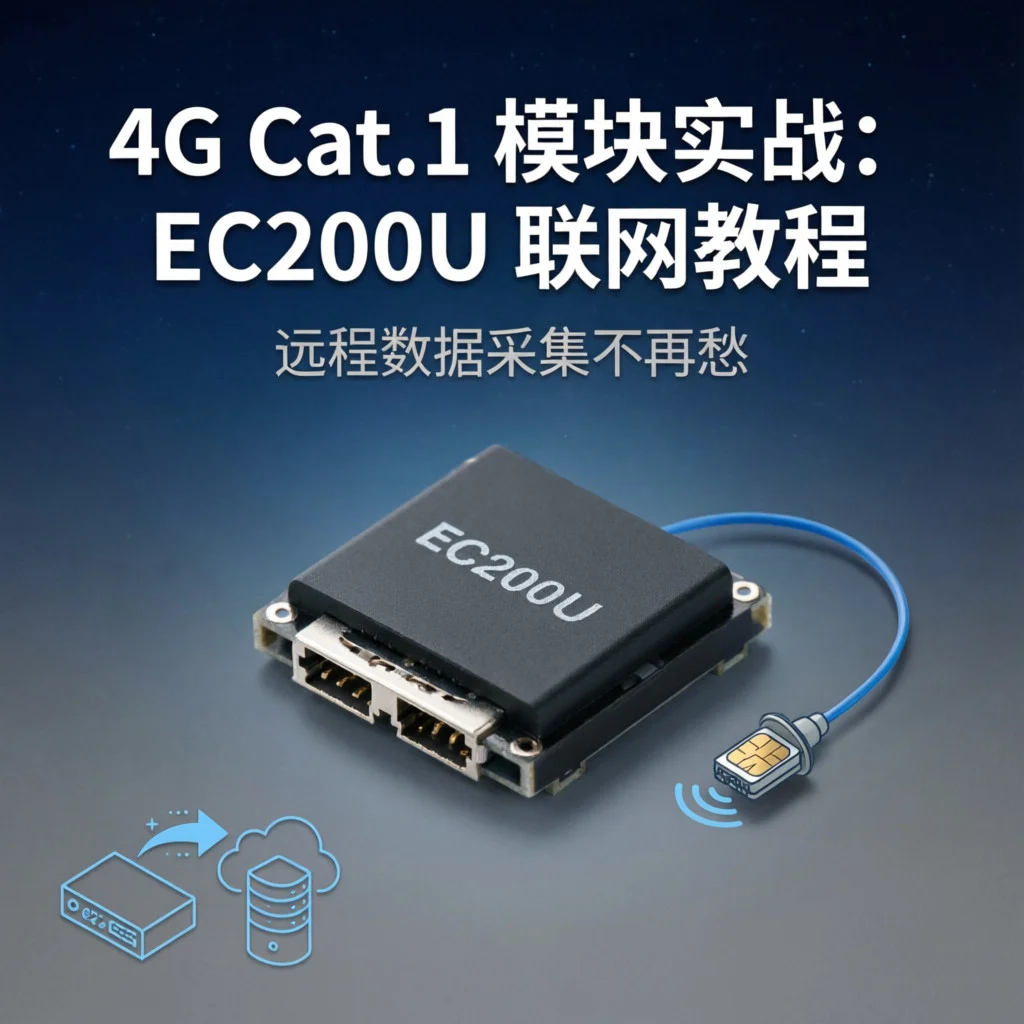
Complete practical guide for 4G Cat.1 module EC200U: from hardware wiring, AT command debugging, Arduino driver development to MQTT data reporting, with real-world data usage testing and low-power solutions, cost only 70 yuan.
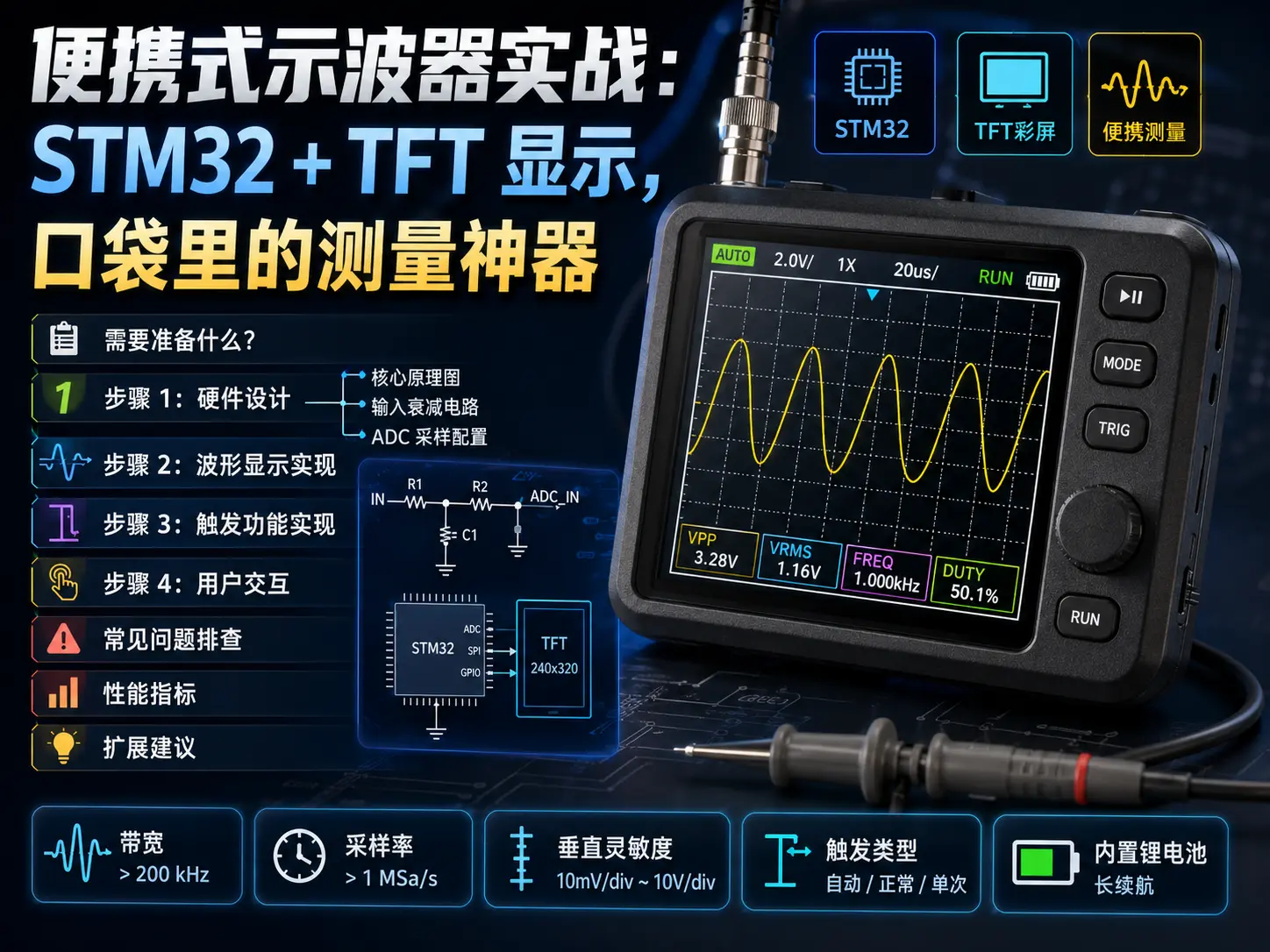
DIY portable oscilloscope with STM32F407 and 3.5-inch TFT screen, cost under 200 yuan, supports 1MSa/s sampling rate, trigger function, waveform display.
DIY a smart doorbell with Raspberry Pi + camera module, integrating AI face recognition and WeChat message push functionality. Total cost under 300 yuan, can automatically identify family members, alert in real-time when strangers ring, and notify instantly when deliveries arrive. Includes complete hardware list, Python code, and WeChat ServerChan push configuration tutorial, a security project that can be completed over a weekend.
Why do you need positioning function? Friends doing IoT projects must have encountered this requirement: where is the device? How to make it report its location? Shared bikes, logistics tracking, pet positioning, outdoor adventure recorders... these scenarios all require GNSS positioning. Today we'll use the domestic ATGM336H module (Beidou + GPS dual mode) to build a simple GPS tracker, cost under 50 yuan, and can store location data to SD card or send to server via 4G. ⚠️ Note: GNSS...
Why do we need TensorFlow Lite? Hello everyone, I'm MakerOnsite. Today we're going to talk about how to run AI models on embedded devices. You may have already used TensorFlow to train models, but have you ever thought: how do you put a trained model on a Raspberry Pi, ESP32, or microcontroller to run? This is the problem TensorFlow Lite solves. Traditional TensorFlow models are too large and too slow to run on embedded devices at all. And...
Why do we need TensorFlow Lite? Hello everyone, I'm MakerOnsite. Today we're going to talk about how to run AI models on embedded devices. You may have already used TensorFlow to train models, but have you ever thought: how do you put a trained model on a Raspberry Pi, ESP32, or microcontroller to run? This is the problem TensorFlow Lite solves. Traditional TensorFlow models are too large and too slow to run on embedded devices at all. And...
Why learn driver development? Having worked in embedded development for so long, I've always been working in user space: writing applications, calling libraries, playing with frameworks. But sometimes you'll find that some features just can't be handled in user space—like precise timing control, direct register operations, or hardware interrupt handling. At this point, you need to step into kernel space and write drivers. Many people are intimidated by kernel drivers, thinking 'kernel programming is dangerous, if you mess up the system will crash.' That's true, but it's not that scary. Today we'll start from scratch and write the simplest character device driver to help you take the first step...
Build your own Zigbee 3.0 smart home gateway with ESP32+CC2652P, total cost under 100 yuan, more flexible than Aqara gateway. Supports Zigbee2MQTT and Home Assistant deep integration, local control works offline, 50+ devices online simultaneously. Includes complete hardware list, CC2652 firmware flashing, ESP32 code tutorial, and pairing troubleshooting guide.
Embedded developers have all encountered this awkward situation: code compiles fine on the dev machine, but errors appear everywhere when switching environments. Dependency library versions are wrong, toolchains are missing, environment variables are chaotic... Today we'll talk about how to use Docker to 'package' the cross-compilation environment and take it anywhere, making the build process truly reproducible. Why do you need a containerized cross-compilation environment? Pain points of traditional cross-compilation: - Tedious environment configuration: you have to reconfigure the toolchain every time you reinstall the system - Inconsistent versions: team members using different compiler versions causes strange issues -...