 IoT
IoT 2026 Complete RF Antenna Connector Guide: SMA/BNC/MCX/N-Type Reference
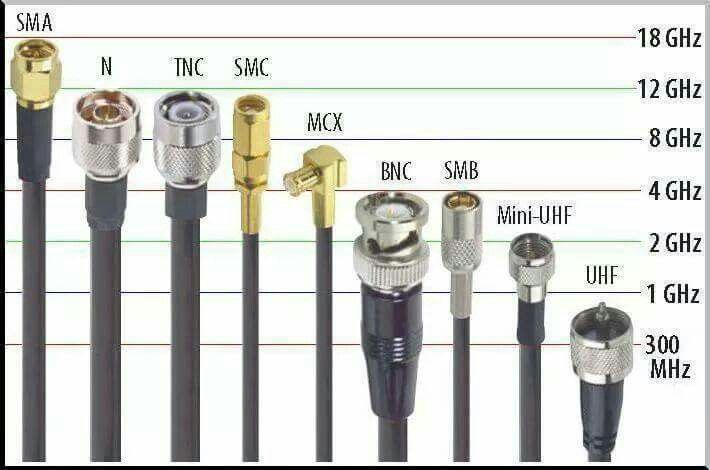
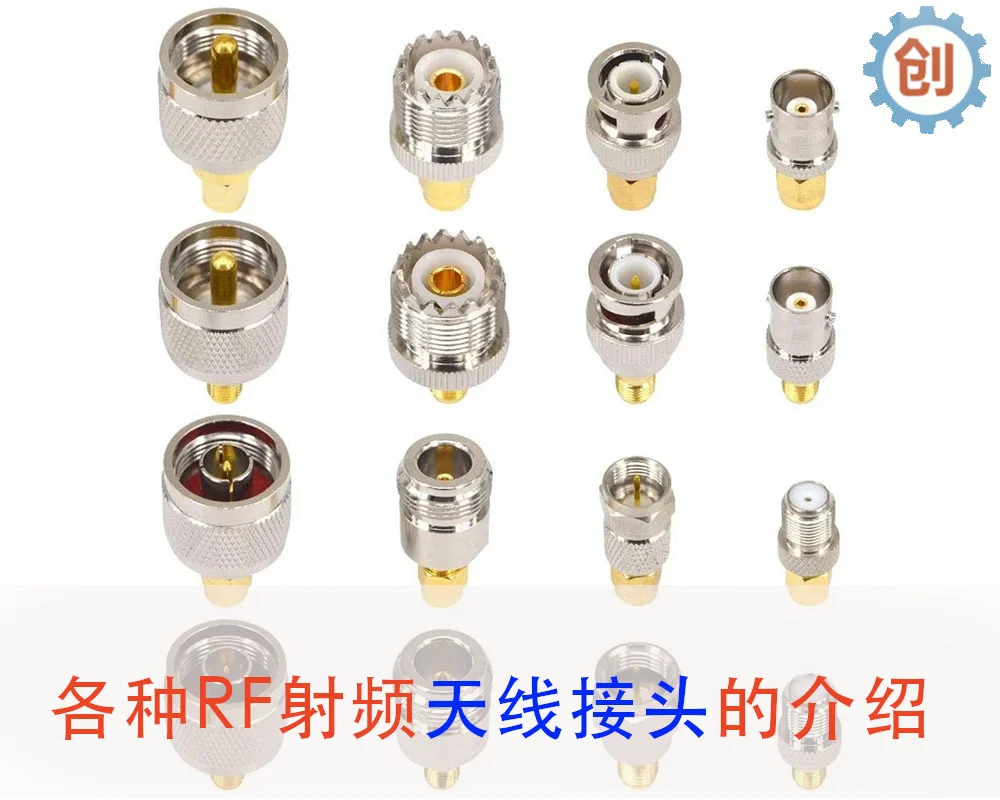
We frequently use different antenna connectors, and sometimes need to purchase extension cables or directional adapters. But if you’re not familiar with these connectors and can’t even name them, it becomes a problem. Therefore, I’ve summarized different types of antenna connectors (SMA, BNC, MCX, N-series) to help you find the right connector for your specific application.
BNC Connector
The BNC connector (Bayonet Neill-Concelman) is a very common RF coaxial cable terminator. BNC connectors are used for RF signal transmission, including analog or digital video signal transmission, amateur radio antenna connections, avionics, and other electronic test equipment connections. BNC connectors come in 50-ohm and 75-ohm versions. 50-ohm connectors have a lower probability of transmission errors when connected to cables of different impedances.
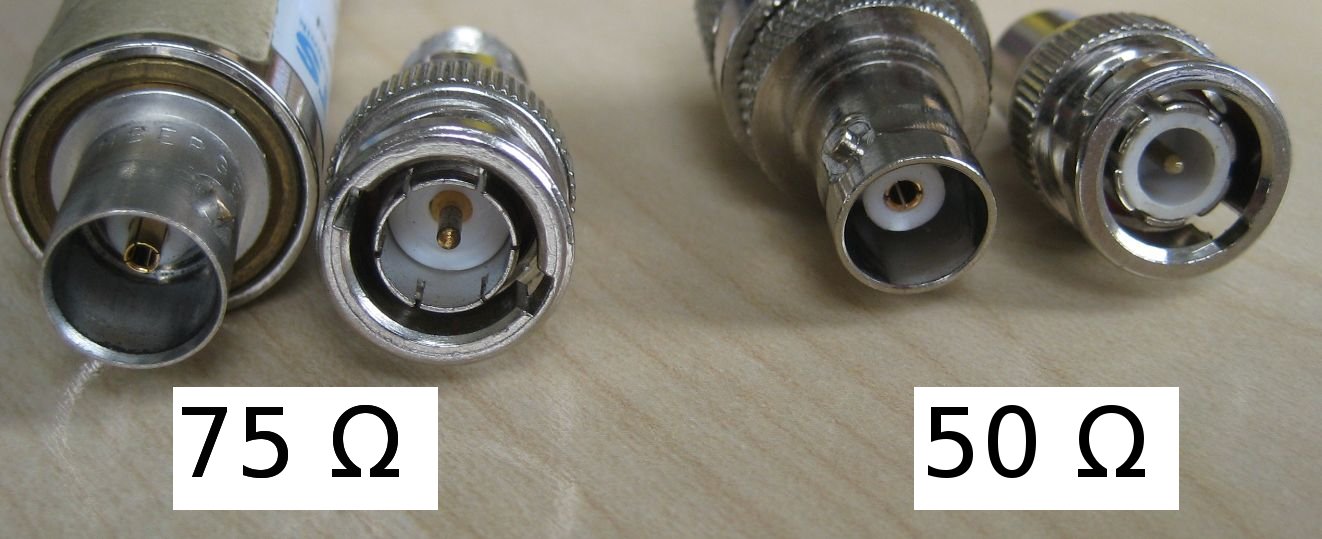 (Image credit: Kaback, CC BY-SA 3.0, Wikimedia Commons)
TNC Connector
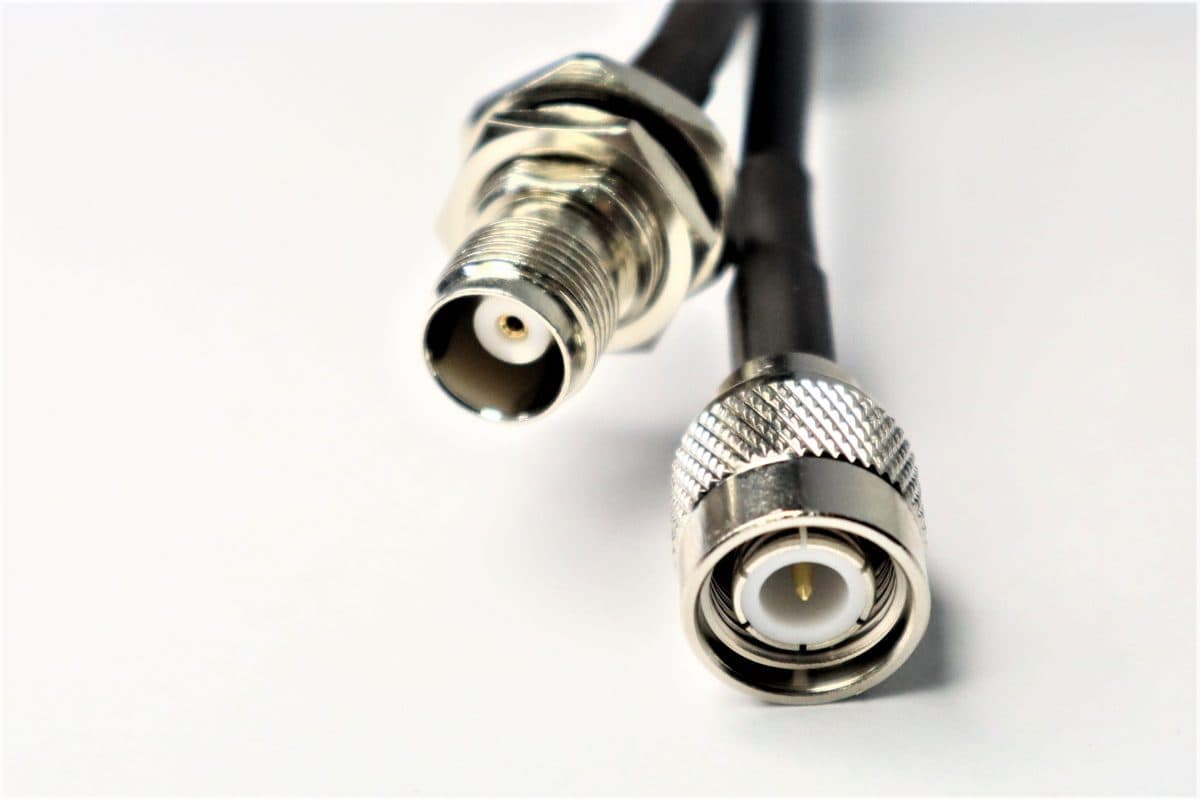
TNC connector (Threaded Neill-Concelman) is the threaded version of the BNC connector. The interface specifications for TNC and many other connectors are referenced in MIL-STD-348. This connector has an impedance of 50 Ω and operates optimally in the 0-11 GHz spectrum range. It performs better than BNC connectors at microwave frequencies. TNC connectors were invented in the late 1950s, named after Paul Neill of Bell Labs and Carl Concelman of Amphenol, and have been widely used in radio and wired applications.
SMA Connector and Variants
SMA (SubMiniature version A) connector is a semi-precision coaxial RF connector developed in the 1960s as the smallest connector interface for coaxial cables with screw-type coupling mechanisms. The connector has an impedance of 50 Ω. SMA was originally designed for DC (0 Hz) to 12 GHz, but this has expanded over time, and variants are available for 18 GHz and 26.5 GHz. There are also mechanically compatible connectors, such as K-type connectors that operate up to 40 GHz. SMA connectors are most commonly used in microwave systems, handheld radios, and mobile phone antennas, and more recently in WiFi antenna systems and USB software-defined radio dongles. It’s also commonly used in radio astronomy, especially at higher frequencies (5 GHz+).
SMA connectors are typically rated for DC to 18 GHz, but some proprietary versions are rated for 26.5 GHz. For performance above this, other SMA-like connectors are used. These include 3.5 mm connectors rated for 34 GHz and 2.92 mm (also called 2.9 mm K-type or SMK) up to 46 GHz. These connectors maintain the same outer thread as SMA, so they can be cross-mated, but precision connectors can be easily damaged when mated with lower-grade SMA connectors. Precision versions use air dielectric with appropriately scaled center conductors.
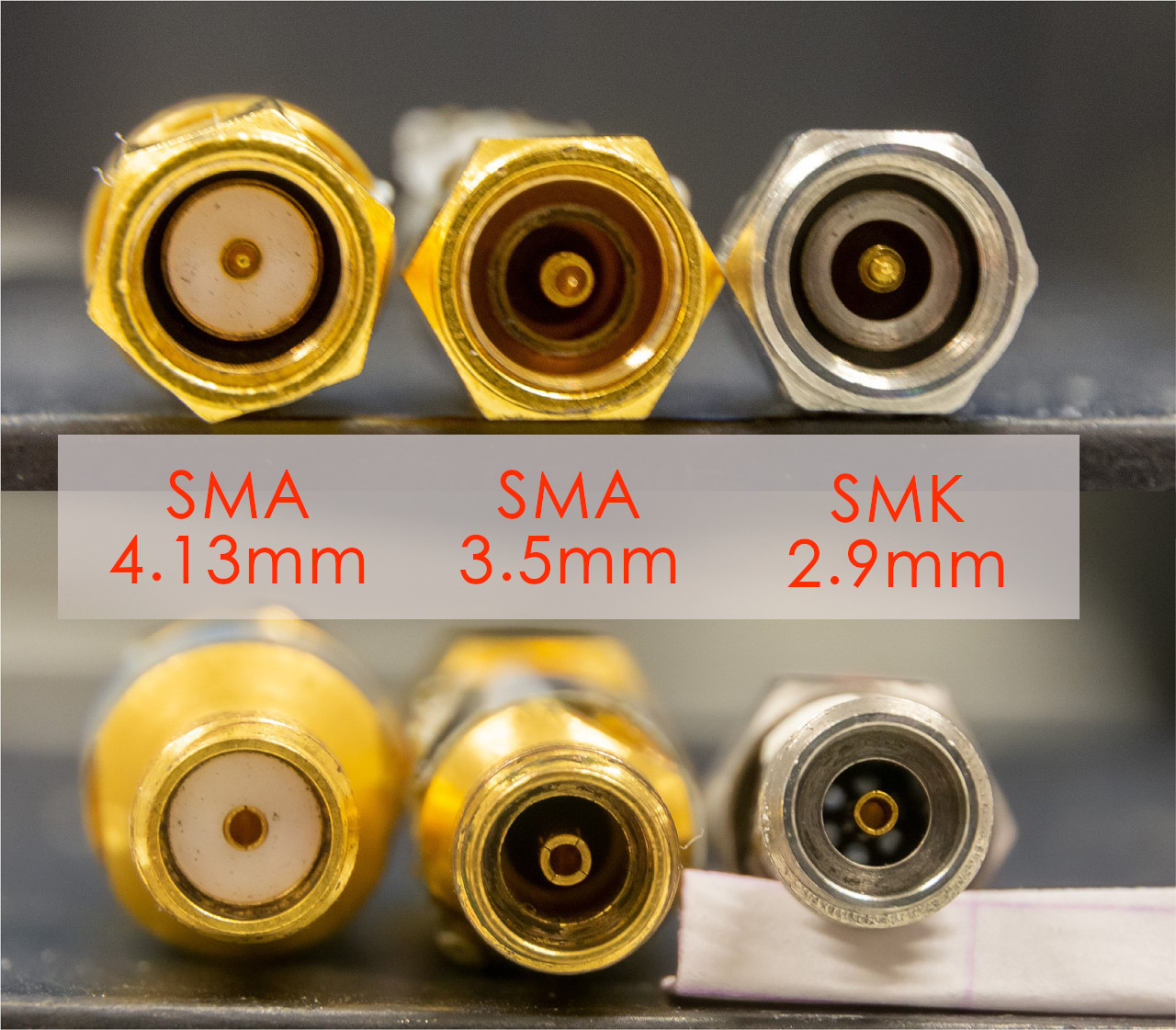 (Image credit: By TheUnnamedNewbie - Own work - CC BY-SA 4.0)
SMB Connector
SMB (SubMiniature version B) connector is a coaxial RF connector developed in the 1960s. SMB connectors are smaller than SMA connectors. They use snap-on coupling and provide 50 Ω or 75 Ω impedance. They offer excellent electrical performance from DC to 4 GHz. SMB jacks have a male center pin, while SMB plugs have a female socket.
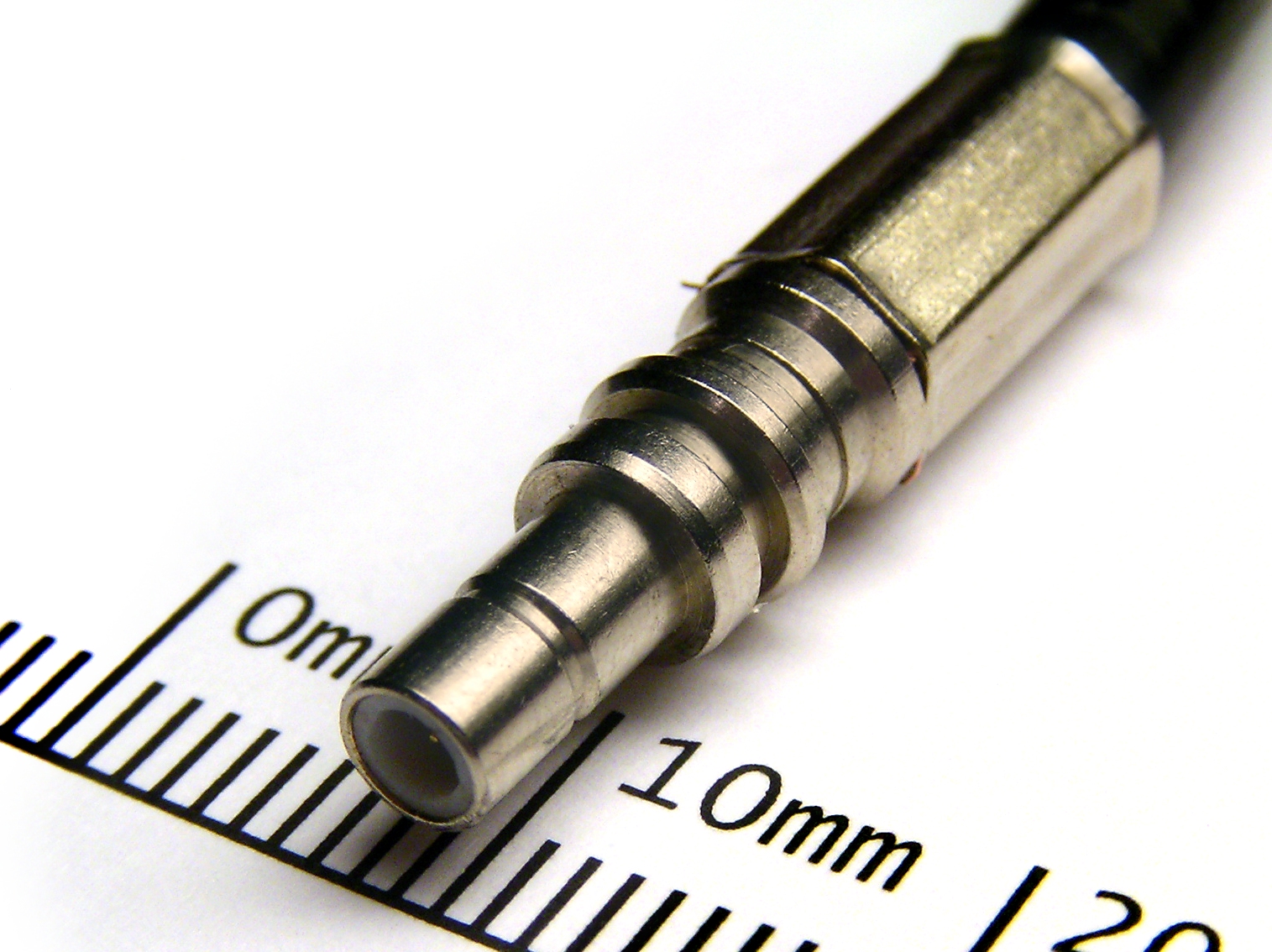
(Image credit: Petteri Aimonen - Own work - CC BY-SA 4.0)
SMC Connector
SMC (SubMiniature version C) connector is a coaxial RF connector developed in the 1960s. The interface specifications for SMC and many other connectors are referenced in MIL-STD-348. They use #10-32 UNF threaded interfaces (screw-type). They provide electrical performance from DC to 10 GHz. Male (aka plug) SMC connectors have a socket for the center contact, while female (aka jack) SMC connectors have a pin for the center contact. SMC jack connectors have external threads, while SMC plug connectors have a matching hex nut. They provide 50-Ohm and 75-Ohm characteristic impedance, providing interconnection methods for small coaxial cables (such as 50-Ohm RG-174, 75-Ohm RG-179) and printed circuit boards where size matters.

N-Type Connector
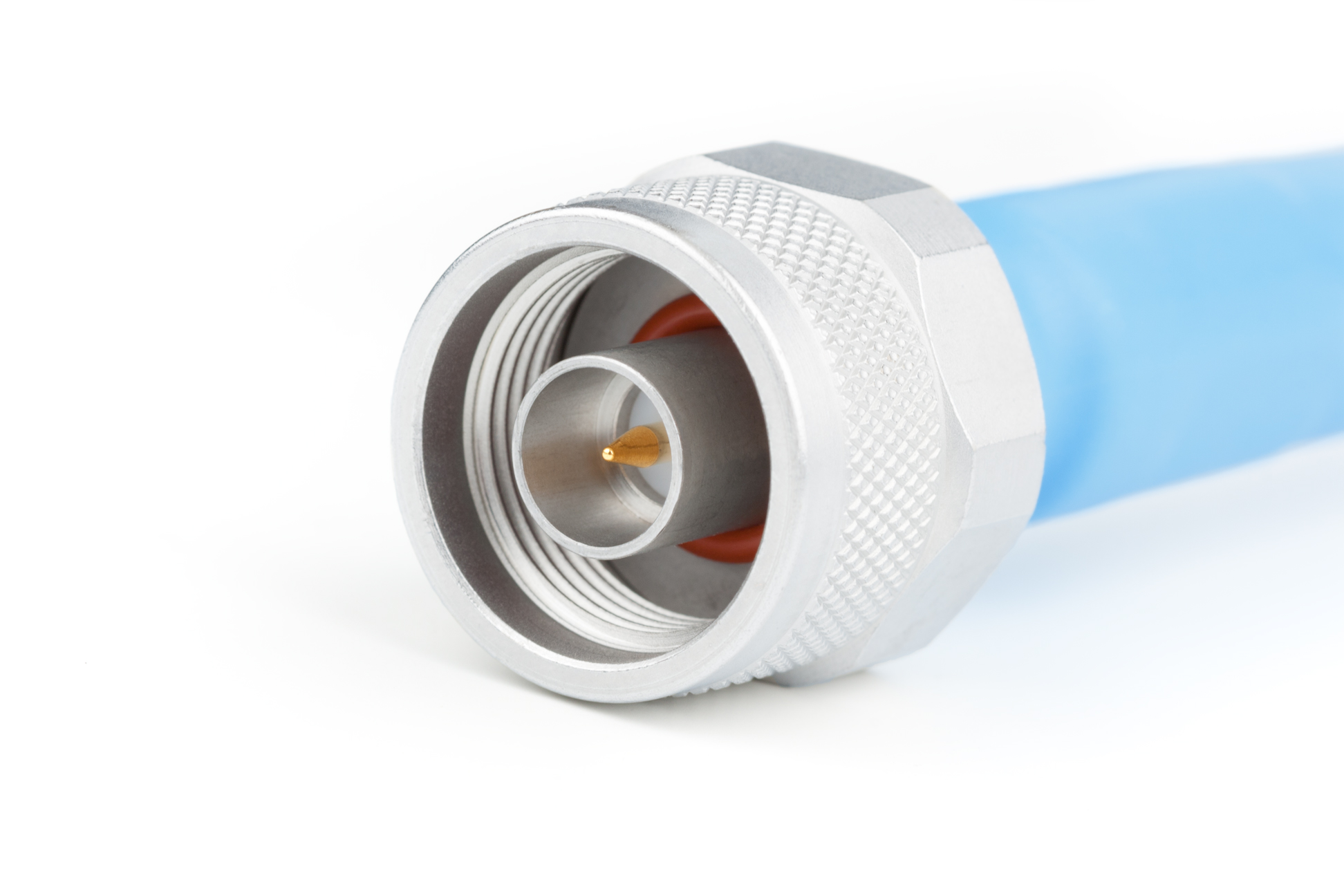
N-type connector (also called Type N connector) is a threaded, weatherproof, medium-sized RF connector used to connect coaxial cables. It was one of the first connectors capable of transmitting microwave frequency signals, invented by Paul Neill of Bell Labs in the 1940s and named after him.
The interface specifications for N and many other connectors are referenced in MIL-STD-348. Originally, this connector was designed to transmit signals up to 1 GHz in military applications, but today’s common N-type can easily handle frequencies up to 11 GHz. Julius Botka of Hewlett Packard’s recent precision enhancements to the design have pushed it to 18 GHz.
MCX Connector
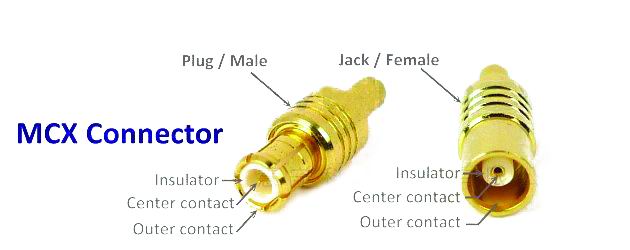
MCX (Microcoaxial connector) is a coaxial RF connector developed in the 1980s. They have the same internal contact and insulator dimensions as SMB connectors but are 30% smaller. MCX connectors are defined in the European CECC 22220 standard.
MCX connectors use snap-on interfaces and typically have 50 Ω impedance (some are 75 Ω). They provide broadband capability from DC to 6 GHz. The contact surfaces are gold-plated. The plug’s outer diameter is approximately 3.6 mm or 0.140 inches.
UHF Connector
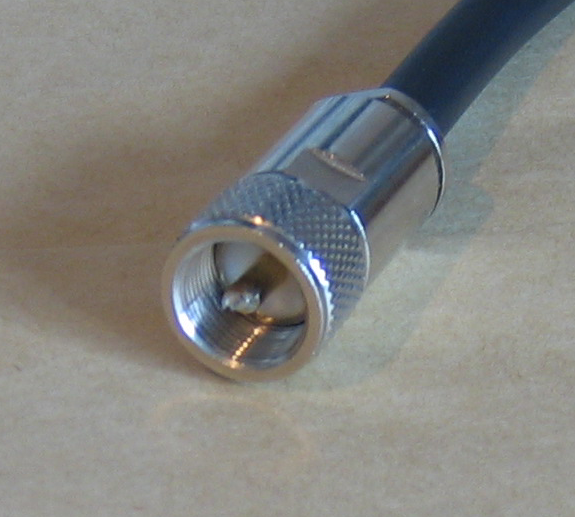
UHF connector is the name for a threaded RF connector. The connector design was invented in the 1930s for the radio industry and is a shielded form of “banana plug.” It is a widely used standard connector for HF transmission lines on full-size radio equipment, where BNC connectors are mainly used for small handheld devices.
The name “UHF” can cause confusion because the connector’s name didn’t change when frequency ranges were renamed. The design was named in an era when “UHF” referred to frequencies above 30 MHz. Today, Ultra High Frequency (UHF) refers to frequencies between 300 MHz and 3 GHz, while the frequency range previously called UHF is now known as “VHF.”
Transmission Frequency Comparison of Various Connectors